













Cocoa Powder Cups to Grams: Complete Conversion Guide (1 Cup, 1/3 Cup & More)
One US cup of cocoa powder weighs 85 grams. That's the standard using the spoon-and-level method — the technique most reliable baking sources use as a baseline. Volume measurements for cocoa powder are notoriously inconsistent: the same cup can hold anywhere from 75g to 130g depending on how you fill it. This guide gives you the exact conversions for every common measurement, explains why the weighing method matters, and covers what changes when you switch between cocoa powder grades.
The Core Answer: How Many Grams in 1 Cup of Cocoa Powder?
1 US cup (236.6ml) of cocoa powder = 85 grams (3.0 oz)
This figure is based on US cup volume, cocoa powder density of approximately 0.36–0.40 g/ml, and spoon-and-level measuring technique. Different sources quote 85–118g per cup — the variation comes entirely from measuring method, not the cocoa itself. The 85g figure is consistent with The Baking Calculator, BakeProfit, Pantry Math, and other widely used baking conversion tools.
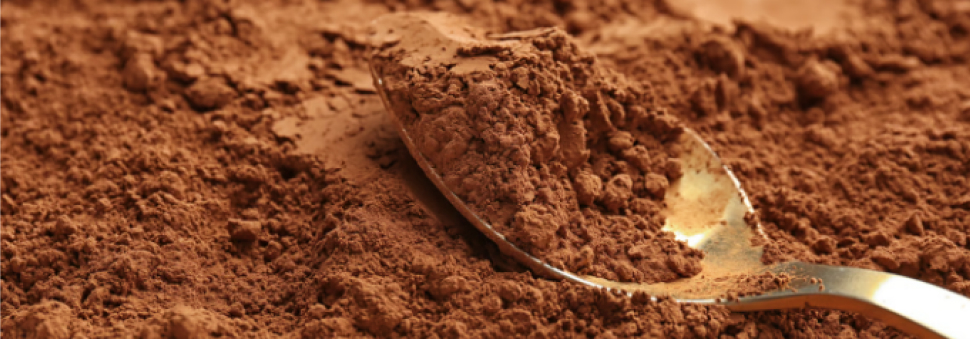
Full Conversion Table: Cups to Grams
Cups to Grams (US cups, spoon-and-level method)
| Measurement (cups) | Grams (g) | Ounces (oz) |
|---|---|---|
| 1 cup | 85g | 3.0 oz |
| 3/4 cup | 64g | 2.3 oz |
| 2/3 cup | 57g | 2.0 oz |
| 1/2 cup | 43g | 1.5 oz |
| 1/3 cup | 28g | 1.0 oz |
| 1/4 cup | 21g | 0.75 oz |
| 1/8 cup | 11g | 0.4 oz |
Tablespoons and Teaspoons to Grams
| Measurement | Grams (g) | Equivalent |
|---|---|---|
| 1 tablespoon (tbsp) | 7.5g | ≈ 1/12 cup |
| 1 teaspoon (tsp) | 2.5g | ≈ 1/3 tablespoon |
| 1/2 teaspoon | 1.25g | Small adjustments |
Grams to Cups (Reverse Conversion)
| Grams | Approximate Volume |
|---|---|
| 25g | ≈ 3 tablespoons |
| 50g | ≈ 1/2 cup + 1 tablespoon |
| 85g | = 1 cup exactly |
| 100g | ≈ 1 cup + 1.5 tablespoons |
| 150g | ≈ 1¾ cups |
| 200g | ≈ 2 cups + 3 tablespoons |
| 250g | ≈ 3 cups |
| 500g | ≈ 5 cups + 7 tablespoons |
Note for UK and Australian readers: UK cups (284ml) give approximately 102g per cup of cocoa powder; Australian cups (250ml) give approximately 90g per cup. All figures in this guide use the US cup (236.6ml).
Why Cup Measurements for Cocoa Powder Are Unreliable
Cocoa powder is one of the most variable dry ingredients to measure by volume. Its density is low (approximately 0.36–0.40 g/ml) and the powder is extremely fine — it compacts during storage and handling, which means the same cup can hold significantly different weights depending on technique.
How Measuring Method Affects Weight
| Measuring Method | Actual Weight (1 cup) | Difference vs Standard |
|---|---|---|
| Spoon and level (standard) | ~85g | Baseline |
| Scoop directly from container | ~100–130g | +18–53% |
| Sifted then spooned | ~75–80g | -6–12% |
Scooping cocoa powder directly from a container compresses it into the cup. The result is often 100–130g instead of the intended 85g — up to 50% more than the recipe calls for. In baked goods, too much cocoa powder produces a darker color, drier texture, and more bitter chocolate flavor than intended.
Correct Cup Measuring Technique
Use a spoon to gently transfer cocoa powder into the measuring cup — don't tap or shake
Level off the top with a straight edge (knife back or ruler), scraping the excess back into the container
Never scoop the measuring cup directly into the cocoa powder bag or tin
If the recipe specifies "sifted cocoa powder," sift first then measure — weight will be approximately 10% less
The most accurate approach: use a digital kitchen scale and weigh in grams. Once you know 85g = 1 cup, weighing is faster and more consistent than measuring by volume. Precision matters most in recipes where cocoa is a primary flavor — brownies, chocolate layer cakes, and dark hot cocoa formulations.
Natural vs Alkalized Cocoa Powder: Same Conversion?
Yes — 1 cup = approximately 85g applies to both natural and Dutch-process alkalized cocoa powder. The density difference between the two types is roughly 3–5%, which falls within normal measuring variation and doesn't require a separate conversion factor.
What does differ significantly between natural and alkalized cocoa is how they function in recipes: natural cocoa powder (pH 5.0–5.8) activates baking soda, while alkalized cocoa (pH 6.5–9.0) requires baking powder. If substituting one for the other by weight, the gram amount is equivalent — but the leavening agent in the recipe must be adjusted accordingly.
Huanda Cocoa produces 16 grades of cocoa powder covering natural, lightly alkalized, medium alkalized, heavily alkalized, and black cocoa — with fat content from 4–8% through 20–22%. Different fat content grades have slightly different densities, but all fall within the 1 cup = 85g conversion at standard measuring precision (±5%).
Density by Fat Content Grade: A Manufacturer's Reference
For food manufacturers developing formulations, here are density reference ranges by grade:
| Cocoa Powder Grade | Fat Content | Density (g/ml) | 1 Cup Approximate Weight |
|---|---|---|---|
| Low-fat grade | 4–8% | ~0.36–0.38 | ~85–90g |
| Standard grade | 10–12% | ~0.38–0.40 | ~85–94g |
| High-fat grade | 20–22% | ~0.40–0.44 | ~94–104g |
For home baking, these differences are negligible. For industrial-scale recipe development, formulate in grams or kilograms from the start and verify actual density when switching to a new grade or supplier.
Industrial Scale Reference (Food Manufacturers)
Food manufacturers work in kilograms, not cups. Quick reference:
| Weight (industrial) | Approximate Volume (cups) |
|---|---|
| 1 kg | ~11.8 cups |
| 5 kg | ~58.8 cups |
| 25 kg (1 standard bag) | ~294 cups |
| 1 MT (metric ton) | ~11,765 cups |
Industrial formulations express cocoa powder in baker's percentage or grams per kilogram of finished product — this eliminates the volume measurement variation entirely and ensures consistent results across different batch sizes. If you're sourcing cocoa powder at scale, contact us to discuss specifications and batch documentation.
FAQ